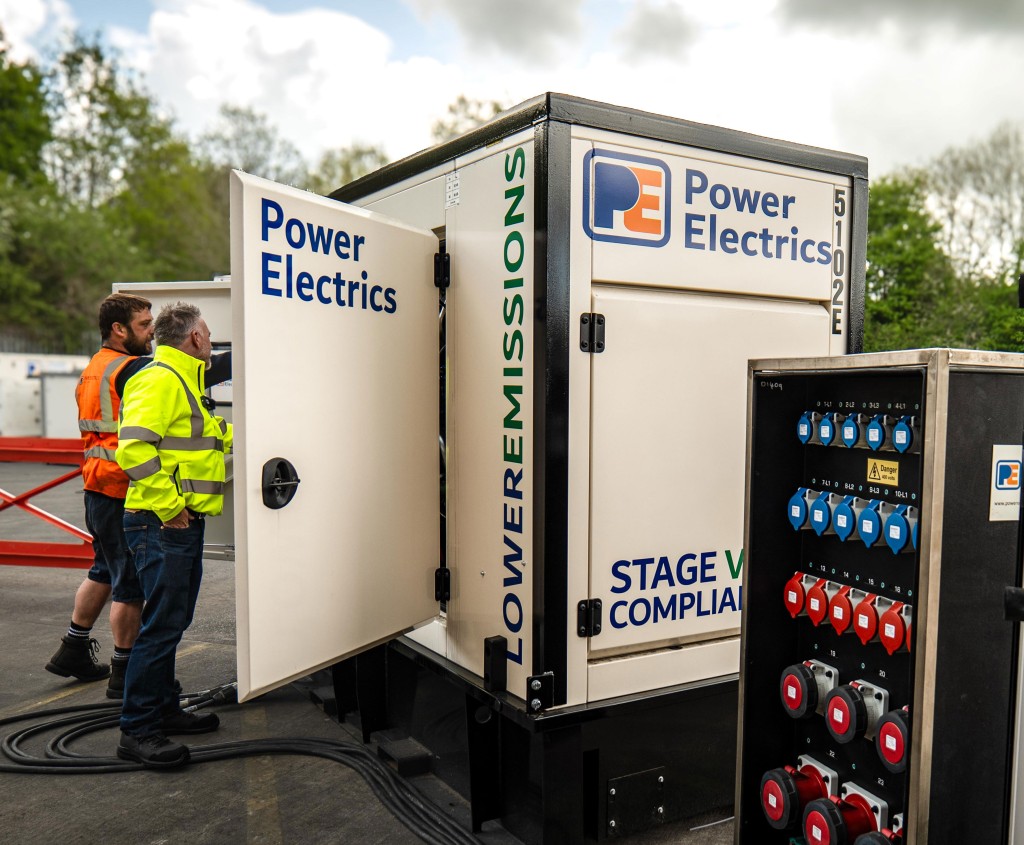
Choosing the right generator has always been an important part of temporary power planning. But with the growing adoption of Stage V Generators, understanding exactly what a site or application needs from its temporary power system has become even more important.
How construction sites generate and use power forms an important part of the industry’s wider emissions challenge. CECA’s NRMM Management Guidance cites estimates that generators and large and medium plant account for 81% of UK NRMM emissions, highlighting the importance of considering not only which equipment is used, but how efficiently it is specified and operated.
For project teams accustomed to using previous generations of equipment, it can be tempting to take a straightforward approach: if a 100 kVA generator worked on the last project, specify another 100 kVA generator for the next one.
With Stage V, however, that like-for-like approach may not always be the most appropriate solution.
Stage V generators are designed to provide the same fundamental outcome as previous generations of equipment: reliable electricity. But the technology used to reduce harmful exhaust emissions means greater consideration needs to be given to how the generator will actually operate once it arrives on site.
That makes understanding the load – rather than simply specifying a generator based on what has been used before, increasingly important.
Why Low-Load Operation Matters
One of the key differences project teams need to understand is how Stage V generators respond to periods of low demand.
Stage V engines use after-treatment technology to reduce harmful emissions. For this system to operate effectively, the engine needs to reach the appropriate operating temperature, which is influenced by the load placed on the generator.
If a generator is consistently operating at a load significantly below what it was sized for, the required temperature may not be achieved. This can contribute to issues with the after-treatment system.
The importance of understanding generator loading is also reflected in the Greater London Authority’s NRMM Practical Guide. Where a Stage V generator is considered unsuitable due to site-specific loading requirements, the guidance requires loading data demonstrating site power demand, or a description of that demand, as part of an exemption request.
This means that a generator which is significantly oversized for its application isn’t necessarily providing additional security. Instead, correctly matching the generator to the site’s actual demand becomes an important part of ensuring the equipment can operate as intended.
Moving Beyond “That’s What We Used Last Time”
Historically, project teams may have been able to operate an oversized Stage IIIA generator at relatively low loads for extended periods without experiencing obvious operational issues.
Stage V equipment requires a different mindset.
Rather than beginning with the generator used on a previous project, specification should start with understanding what is actually being powered.
What does the site’s typical demand look like? How often does it reach its maximum requirement? Are there long periods of relatively low demand? Are there short peaks that need to be accommodated?
Answering these questions can lead to a very different temporary power solution.
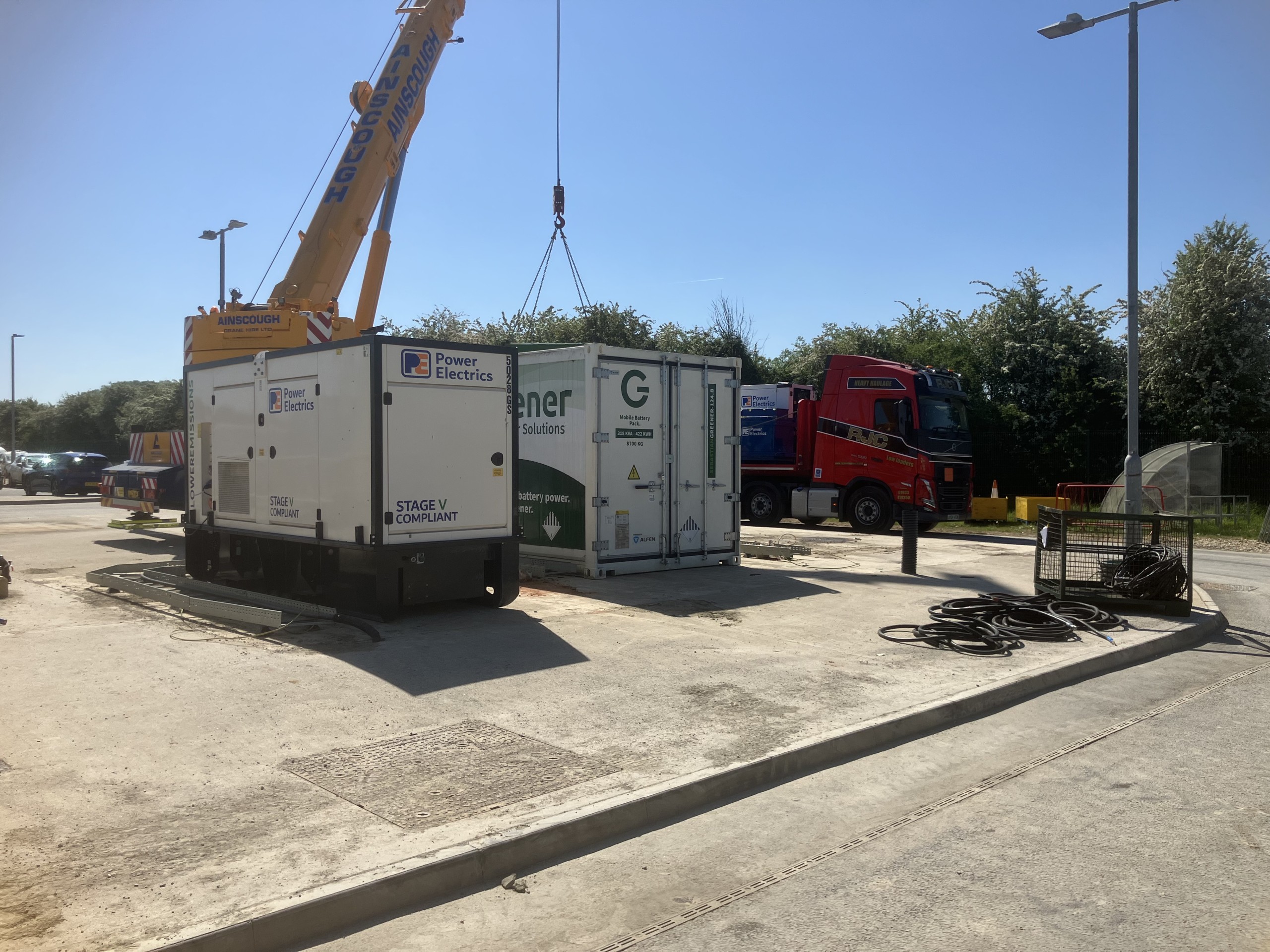
An application that may previously have been supplied by a 100 kVA generator, for example, could potentially be better suited to a smaller Stage V generator supported by battery energy storage, or even synchronised generators that can respond more effectively to changing demand.
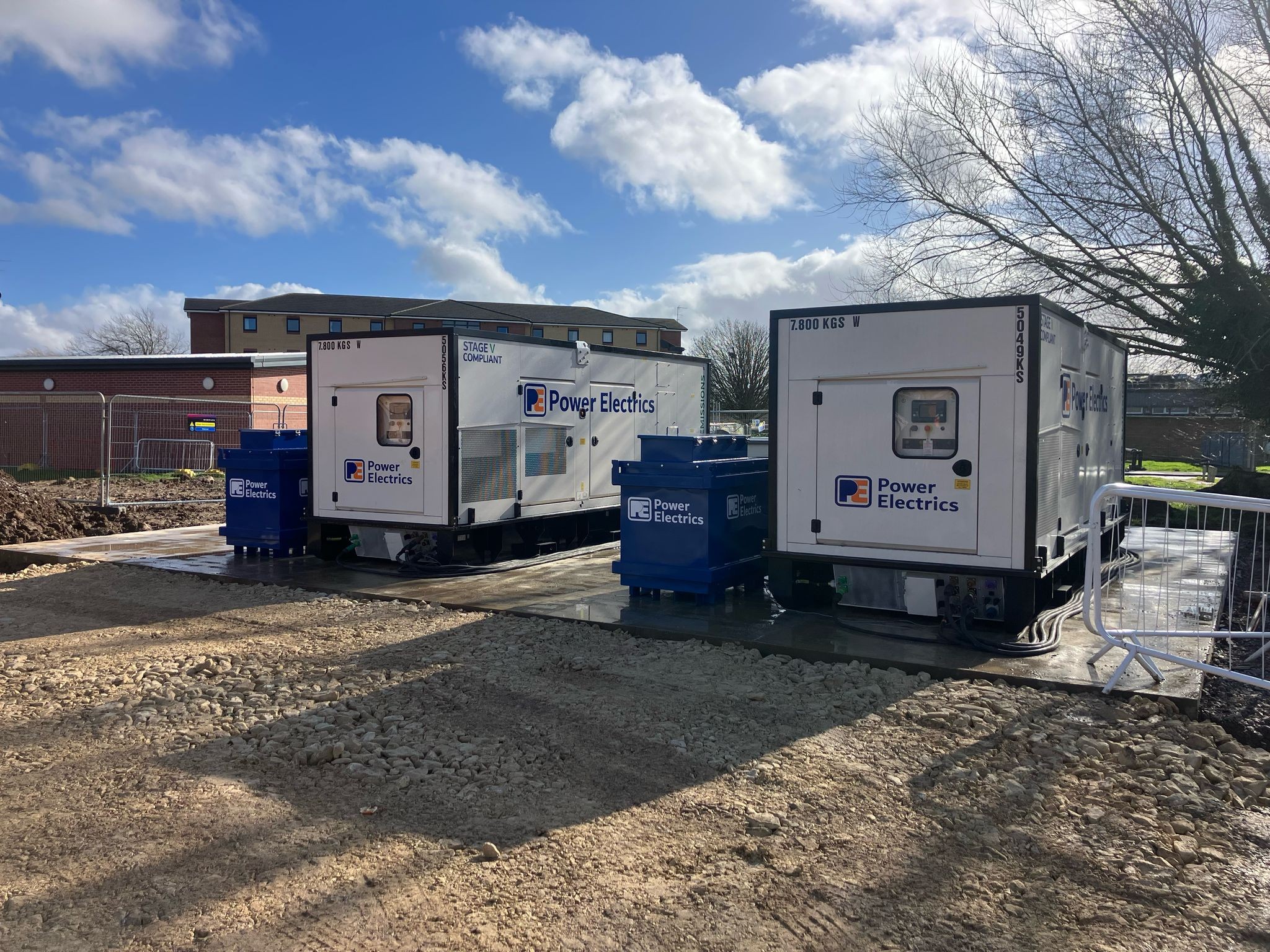
We applied this principle when designing a temporary power solution for a tier-one construction company. Rather than starting with a predetermined generator size, our team worked with the customer to analyse the site’s minimum and maximum load profiles alongside its requirements for capacity and redundancy. This resulted in two synchronised 550 kVA Stage V generators being specified to provide a combined output of 1.1 MVA, delivering the required capacity while avoiding unnecessary over-provisioning.
The important point is that generator specification should be based on the application in front of you — not simply on what worked before.
Bigger Doesn’t Always Mean Better
Oversizing a generator can sometimes feel like the safer option. Adding additional capacity provides reassurance that sufficient power will be available if demand increases.
But when specifying Stage V equipment, contingency needs to be balanced against the generator’s actual operating conditions.
This is why understanding a site’s load profile has become such an important part of temporary power planning. The objective isn’t simply to find a generator capable of meeting the maximum theoretical demand. It’s about identifying a solution that can meet that demand while operating effectively across the different loads it will encounter throughout the project.
For customers, that means generator sizing should increasingly be viewed as part of the overall temporary power strategy rather than a simple equipment selection exercise. This reflects a wider shift taking place across the built environment and for temporary power, this means looking beyond simply providing sufficient capacity and considering how equipment can be configured around actual operating requirements.
Where Battery Energy Storage Fits In
Battery Energy Storage Systems (BES) can provide another way of managing applications where power demand varies significantly.
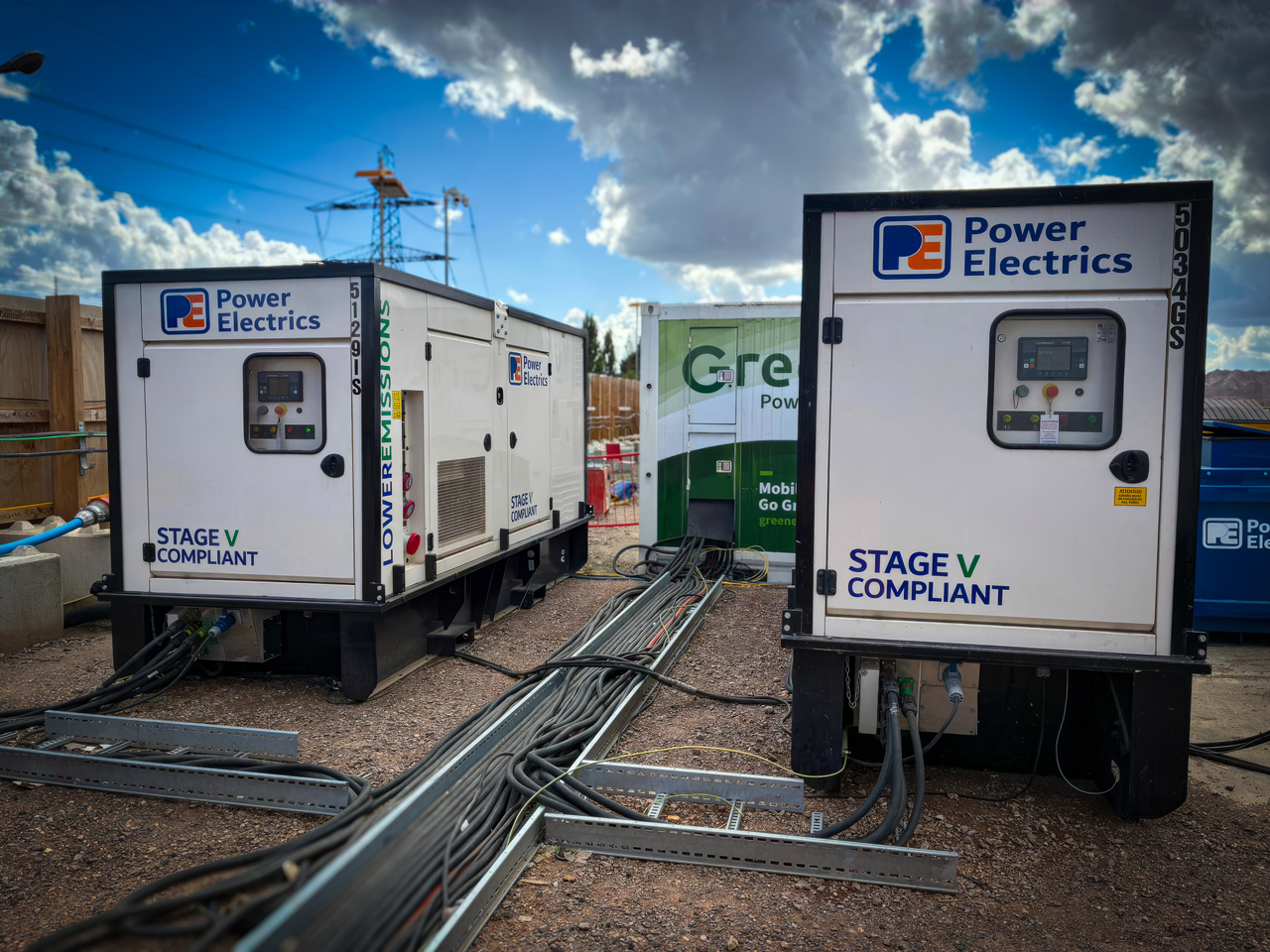
Stage V generators and batteries can work particularly effectively together because the battery can support the system during periods of lower demand, allowing the generator to switch off rather than continuing to operate unnecessarily.
When the battery needs to recharge, it can also place a meaningful load on the generator while charging.
This creates an opportunity to build the temporary power system around the site’s actual operating pattern rather than expecting one generator to accommodate every possible load condition on its own.
This approach is also reflected in CECA’s guidance on off-grid power. It highlights how energy storage can supplement a smaller generator when peak power is required, allowing the generator itself to be optimised around the average base load rather than the highest dynamic load. In the example provided, downsizing the generator reduces both fuel consumption and associated pollutants.
The objective is ultimately to minimise fuel consumption, environmental impact and cost while still providing the dependable temporary power the project requires.
Understanding the Application Comes First
Stage V technology demonstrates why generator specification is about more than simply choosing a kVA rating.
Project teams need to understand what they are powering, how demand changes throughout the day and how the generator is likely to operate once installed.
This becomes particularly important on mission-critical projects, where an incorrectly specified temporary power system could contribute to avoidable downtime. Ageing equipment can already introduce reliability considerations, while Stage V brings additional requirements around sizing and load management.
Temporary power providers therefore have an important role to play beyond supplying the generator itself. Understanding the application, identifying the appropriate equipment and explaining why a particular solution has been recommended can help customers make more informed decisions about their power requirements.
Getting Generator Sizing Right
The move towards Stage V is changing more than the emissions performance of temporary generators. It is encouraging a more considered approach to how temporary power systems are designed.
Rather than asking simply, “What size generator did we use last time?”, the better question is: “What does this application actually need?”
Correct generator sizing can help ensure Stage V equipment operates effectively while creating opportunities to combine generators with battery storage where appropriate.
For project teams beginning that process, our Generator Sizing Tool provides a simple way to calculate your power requirements and identify a suitable generator size for your application.
Use the Power Electrics Generator Sizing Tool to calculate your requirements and start building the right temporary power solution for your project.