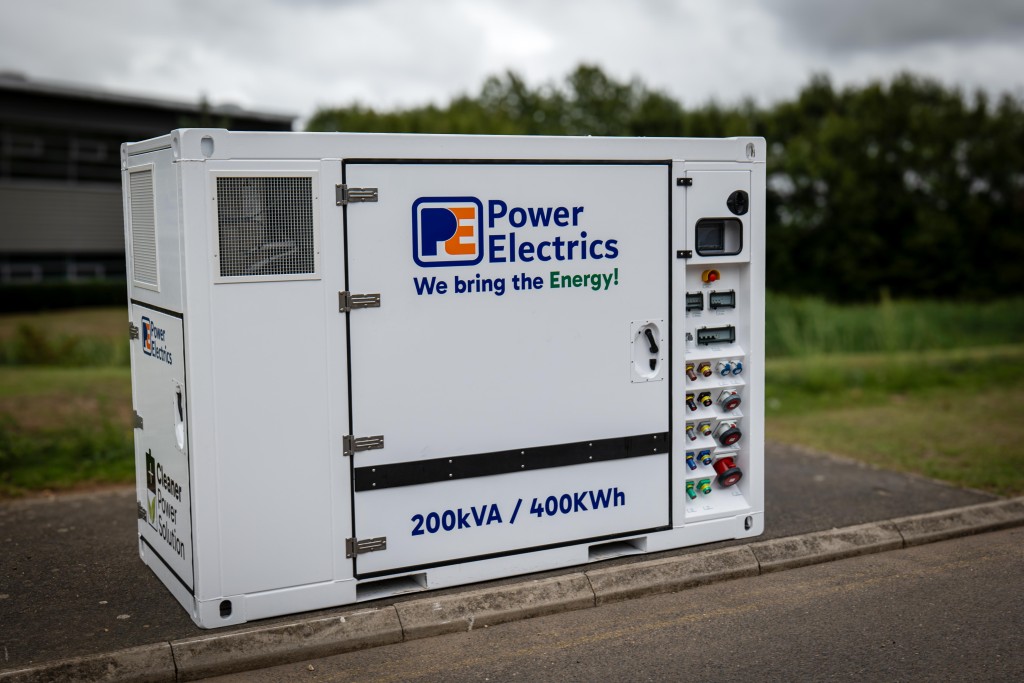
Battery Energy Storage Systems (BES) are transforming how temporary power is delivered across construction, utilities, industrial sites and events. But there are still many misconceptions about what these systems do and how to use them effectively.
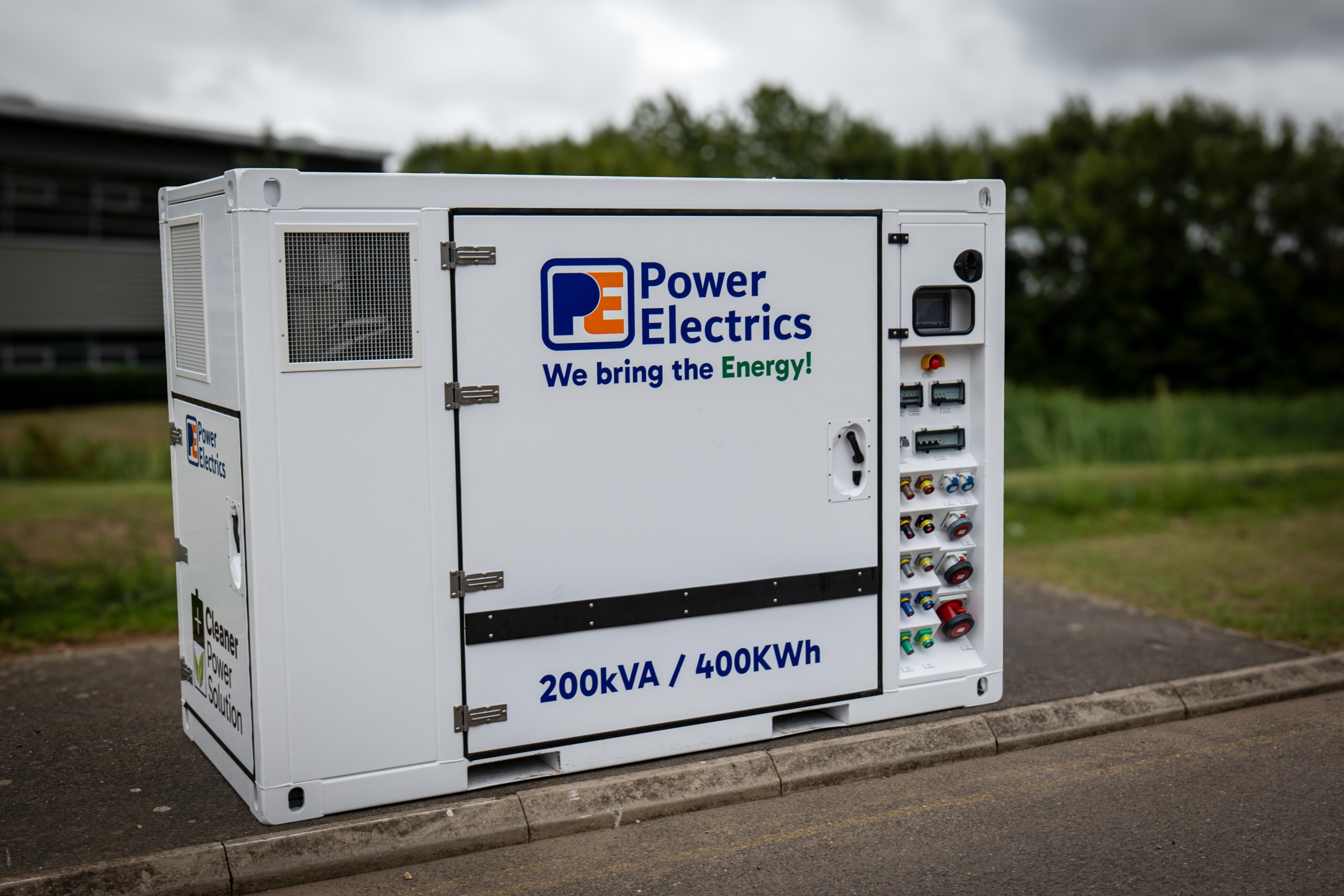
Here are the five things you really need to know if you’re considering integrating a BES into your power setup.
- Batteries aren’t magic — they’re stored energy used intelligently
A BESS doesn’t create free energy. Instead, it acts as a highly efficient tank of stored power. That energy has to come from somewhere, typically:
- A diesel or Stage V generator
- A grid supply
- Renewable sources such as solar, wind or hydro
Once charged, the battery releases that energy on demand. The real value lies in the system’s ability to deliver power instantly, efficiently and precisely when your site needs it most.
2. A BES allows you to use smaller generators without compromising performance
One of the biggest advantages of integrating a BES is power assist. Rather than running a large generator to handle occasional spikes in demand, you can run a smaller, more efficient generator (or grid supply) and allow the BES to support it.
For example:
If you have an 80 kW supply feeding into the battery and your site momentarily needs 100 kW, the battery will automatically deliver the additional 20 kW. This means:
- No generator overload
- No need to oversize your equipment
- Lower fuel consumption and emissions
Smaller generators paired with a BES can comfortably support larger, more fluctuating loads.
3. BES units handle high-impact loads that generators alone can struggle with
Generators don’t always cope well with sudden, heavy load steps. Large spikes can cause frequency dips, voltage instability or even trips. A BES, however, can respond instantly.
This makes BES ideal for sites with:
- Impact loads
- Motors
- Pumps
- Cranes
- Compressors
- Industrial equipment that doesn’t ramp up gently
The inverter can absorb large, rapid changes without any noticeable drop in performance, helping maintain a stable and resilient supply.
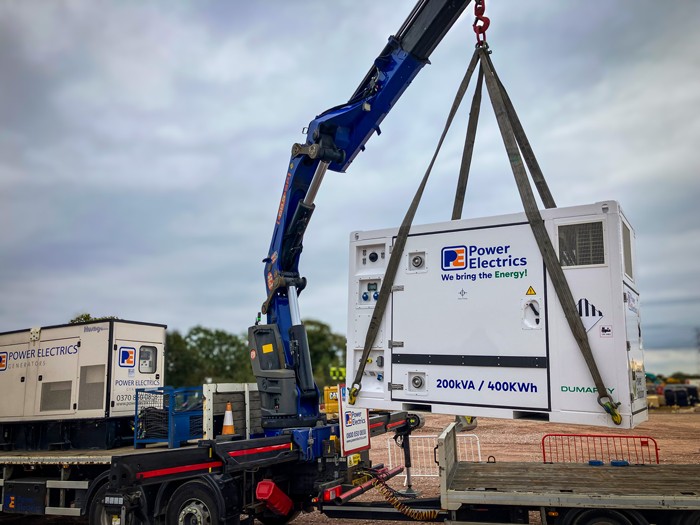
4. BES are incredibly effective for peak shaving and reducing runtime
Without a BES, you must choose a generator big enough to handle the highest load you might hit during the day, even if it only happens rarely.
With a BES, you can use a smaller generator because the battery will take care of the peak loads. A BESS lets you:
- Use a smaller generator or limited grid connection
- Charge the battery during low-load periods
- Let the battery support the peaks
- Dramatically reduce generator runtime
If required, a BESS can also trigger a fixed-load support generator to run only when the battery approaches its limit. Once the battery recovers to a set state of charge, that support generator automatically stops. This approach significantly reduces fuel use, noise and emissions on site.
4. A BES adds resilience – and can even operate like a UPS
With the right settings, a BES can act like an an UPS. By holding itself at a specific state of charge (for example, 80–85%), it is ready to instantly take over the load if the grid fails or a generator stops unexpectedly.
This keeps your power stable while:
- A standby generator starts
- A secondary supply kicks in
- The grid recovers
It’s also hugely beneficial for businesses with limited capacity grid connections. A BES can “shave” the peaks from your supply, letting you operate within your agreed limits without costly infrastructure upgrades.
Why BES matters for modern power solutions
A BES isn’t just an optional add-on. It’s a smart, flexible energy tool that helps you:
- Reduce generator size
- Cut fuel use and emissions
- Manage peaks and sudden loads
- Improve resilience and reliability
- Support renewable integration
- Create quieter, cleaner and more efficient sites
For many of our customers, BES technology is now a core part of their power strategy — not just a nice-to-have.
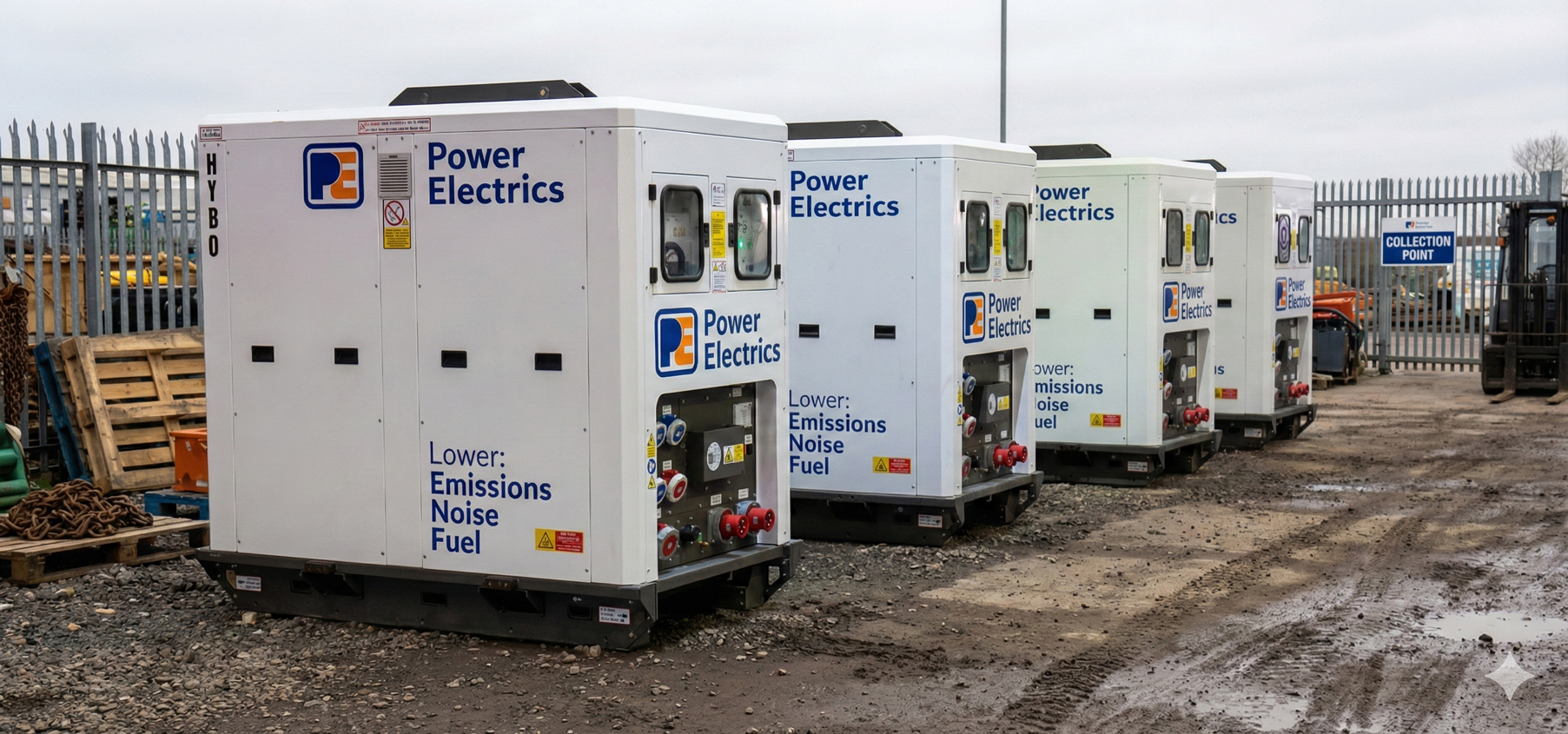
Interested in exploring BES for your next project?
Our Power Solutions team can design, size and deliver bespoke hybrid setups tailored to your site’s needs.
Get in touch to discuss how BES can make your power solution cleaner, smarter and more reliable.