The UK’s utilities and infrastructure sectors are under increasing pressure to deliver essential projects while meeting stricter environmental standards, complying with evolving legislation and maintaining reliable power supplies. Whether supporting water treatment upgrades, major construction programmes or critical infrastructure developments, temporary power remains essential to keeping projects moving.
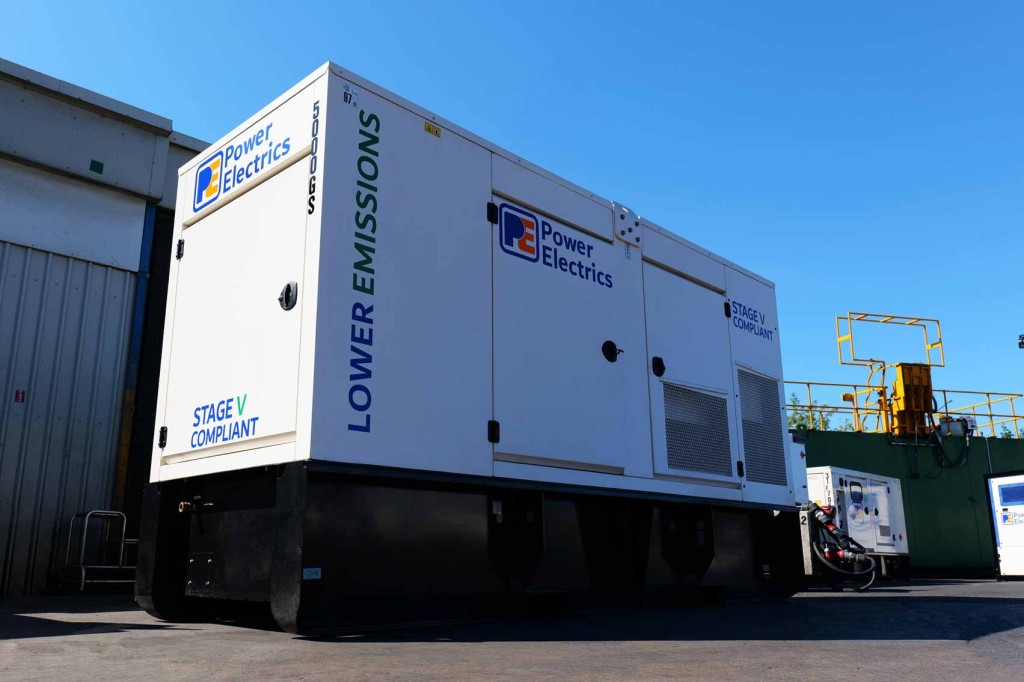
Against this backdrop, Stage V generators have become increasingly important. While they perform the same fundamental role as previous generations of generators, they offer significant environmental advantages and help contractors meet the growing regulatory and sustainability demands placed upon modern projects.
The Growing Demand for Stage V Technology
The adoption of Stage V generators has been driven by a combination of legislation, sustainability objectives and customer expectations.
One of the primary drivers is Non-Road Mobile Machinery (NRMM) legislation, which mandates the use of Stage V engines for certain construction and infrastructure applications. In particular, projects operating within the NRMM zone inside the M25 must comply with specific emissions requirements, making Stage V equipment essential rather than optional.
Alongside legislation, many organisations are actively seeking to reduce the environmental impact of their operations. Large infrastructure providers, utilities and Tier One contractors are increasingly expected to demonstrate best practice and adopt more sustainable construction methods. For temporary power, this often means selecting the lowest-emission solution that remains practical and reliable for the application.
The age profile of equipment is also influencing demand. Manufacturers stopped producing Stage IIIA generators for the mobile generator market several years ago, meaning older equipment is becoming increasingly aged. As a result, organisations looking for modern, reliable temporary power solutions are naturally moving towards Stage V technology which combines advanced combustion control with sophisticated exhaust aftertreatment systems to deliver over 80% reduction in hydrocarbons (HC), nitrogen oxides (NOₓ), and particulate matter compared to earlier standards.
Meeting Environmental Requirements Without Compromising Power Availability
Utilities and infrastructure projects frequently operate under strict environmental controls. Many contractors must comply not only with legislation such as NRMM and the Medium Combustion Plant Directive (MCPD), but also with client-specific sustainability requirements and local planning conditions.
Stage V generators help organisations meet these requirements by significantly reducing harmful emissions compared to older engine technologies. This is particularly important when working in environmentally sensitive locations, urban environments or on projects where sustainability forms a key part of the overall programme objectives.
For organisations delivering renewable energy projects, the importance of lower-emission temporary power is particularly clear, as there is increasing recognition that the way projects are powered during construction should align with the environmental objectives of the completed asset. This concept is illustrated in our Hybrid Solution to Meet Environmental Policy Needs case study, where our customer required low-emission temporary power for site cabins for a new solar farm construction – resulting in a saving of around 115 tonnes of CO2 and savings of just over £80,000 in fuel throughout the length of the project.
Why Compliance Matters
The purpose of both NRMM and MCPD legislation is to reduce the environmental impact of equipment emissions. While the regulations differ in scope, both are designed to encourage cleaner operation and reduce harmful pollutants.
For temporary power users, compliance is becoming increasingly important. Failure to meet emissions requirements can affect project approvals, planning conditions and contractual obligations. Many infrastructure clients now specify emissions standards within project requirements, making compliant equipment a necessity rather than a preference. This trend reflects wider concerns across the built environment sector, where UK Green Building Council analysis found that emissions reductions are falling behind the pace required to achieve net zero objectives. As a result, organisations are placing greater emphasis on reducing emissions wherever practical, including through the selection of lower-emission temporary power solutions.
Major projects are already embracing this approach. A major new nuclear power station development in the UK, for example, has mandated the use of Stage V generators and battery systems across significant parts of the site, ensuring compliance with both regulatory and client requirements while supporting wider sustainability objectives.
Reliability Remains Critical
While the primary advantage of Stage V technology is environmental performance, reliability remains just as important for utilities and infrastructure projects.
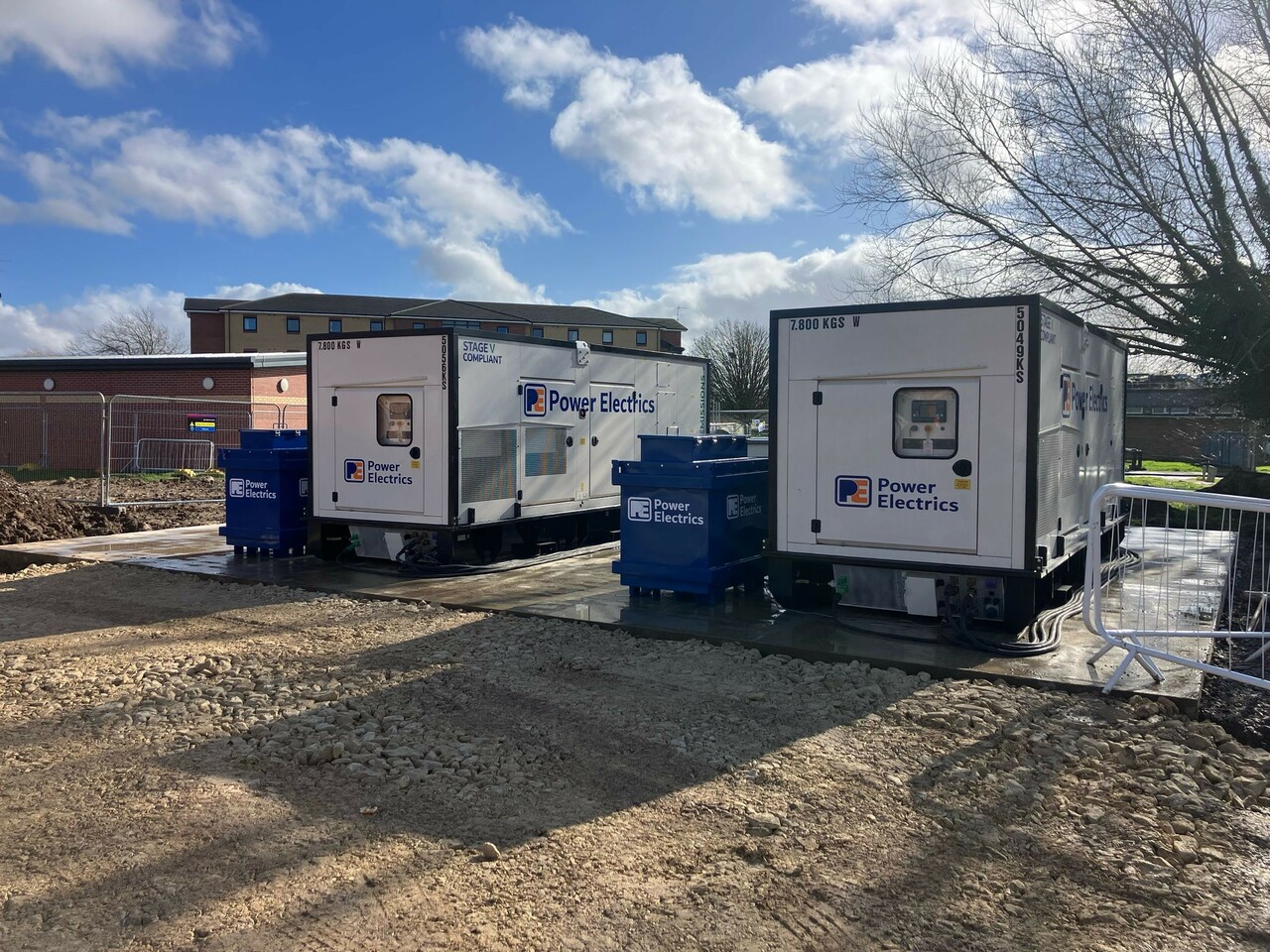
Power outages, delays and equipment failures can have significant consequences on critical projects. Modern Stage V generators offer access to newer equipment with lower operating hours, helping reduce the risk of downtime associated with ageing assets. As generators accumulate hours and age, maintenance requirements increase and the likelihood of component failures naturally rises.
For mission-critical applications such as water infrastructure, electricity networks and major construction projects, access to modern, well-maintained equipment provides an additional layer of confidence. Reliability is also an essential factor when utilising generators in a healthcare setting – as highlighted in our Hospital Standby Power case study, Stage V generators effectively support legacy infrastructure during upgrades in live operational environments.
The Importance of Correct Generator Sizing
One area where Stage V technology differs from previous generations is the increased importance of proper load management.
Stage V engines use advanced after-treatment systems designed to reduce emissions. For these systems to operate effectively, exhaust temperatures must reach the correct operating range. If generators are oversized and run at low loads for extended periods, emissions systems may not function as intended, potentially affecting performance.
As a result, understanding the site’s actual power requirements has become more important than ever. Rather than simply replicating a previous generator specification, project teams need to carefully assess load profiles and select equipment accordingly. In some cases, this may mean using a smaller generator combined with battery storage or employing synchronised generator solutions that better match site demand.
The Role of Battery Energy Storage
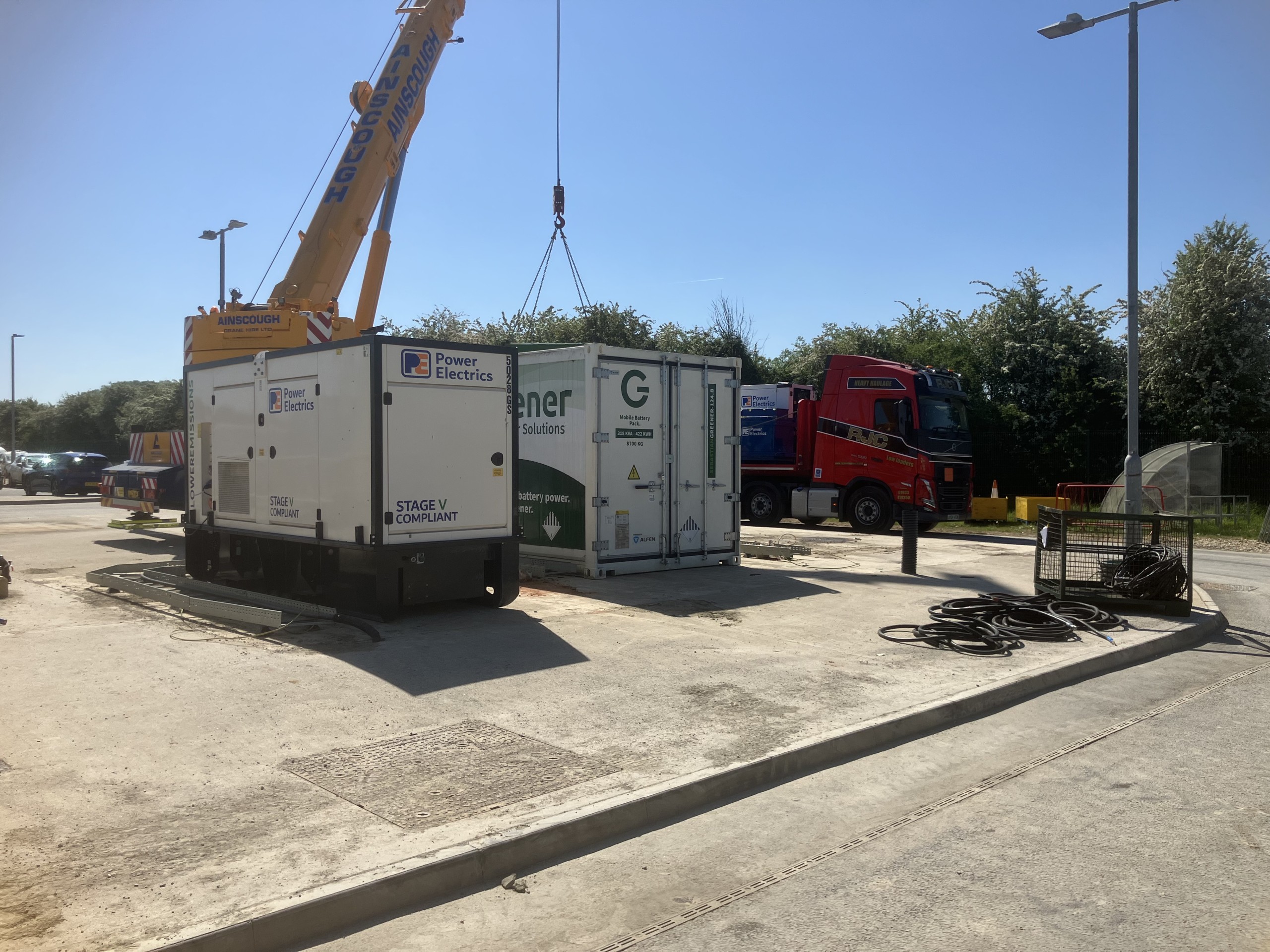
Increasingly, Stage V generators are being deployed alongside Battery Energy Storage (BES) systems to create more efficient and sustainable temporary power solutions.
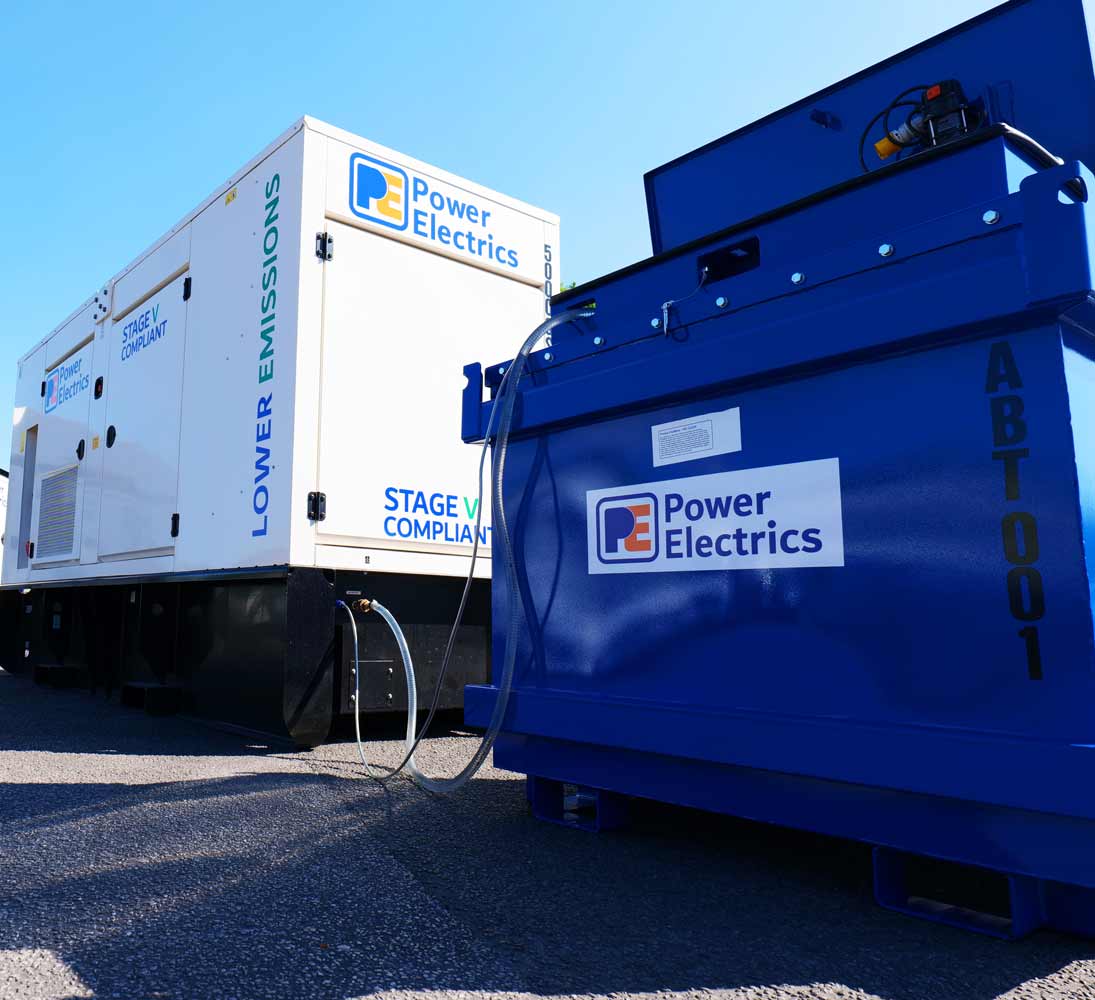
The two technologies work hand in hand. Batteries can support periods of low demand, allowing generators to switch off when they are not required, reducing fuel consumption and lowering emissions. At the same time, batteries help ensure generators operate at more efficient load levels when charging, supporting both performance and environmental objectives.
For utilities and infrastructure projects seeking to minimise environmental impact while maintaining reliable power, hybrid power solutions combining Stage V generators and battery storage are becoming an increasingly attractive option.
Looking Ahead
Environmental regulations will only become more demanding , as stated by London City Hall “From 1 January 2030, standards will be Stage V across London. From 1 January 2040, only zero emission machinery will be allowed.” While current NRMM requirements are concentrated in specific regions and sectors, there is a growing expectation that similar standards will become more widespread across the UK’s major cities and infrastructure programmes in the years ahead. The UK’s long-term energy and infrastructure strategy continues to emphasise both energy security and the transition towards lower-carbon systems. As highlighted in the UK Green Building Council’s Net Zero Operational Carbon Framework, the transition to a lower-carbon built environment depends not only on the performance of completed infrastructure, but also on the decisions made during its construction and delivery – illustrating the importance of using low-emission temporary power throughout a project.
For utilities and infrastructure organisations, preparing for this future means selecting equipment that not only delivers reliable power today but also aligns with the direction of travel for environmental compliance and sustainability.
Stage V generators have become critical because they offer exactly that balance. They provide the reliable temporary power essential to keeping infrastructure projects moving while helping organisations meet increasingly important environmental requirements. Combined with battery storage and supported by careful system design, they represent a practical and proven approach to powering the UK’s most important projects.