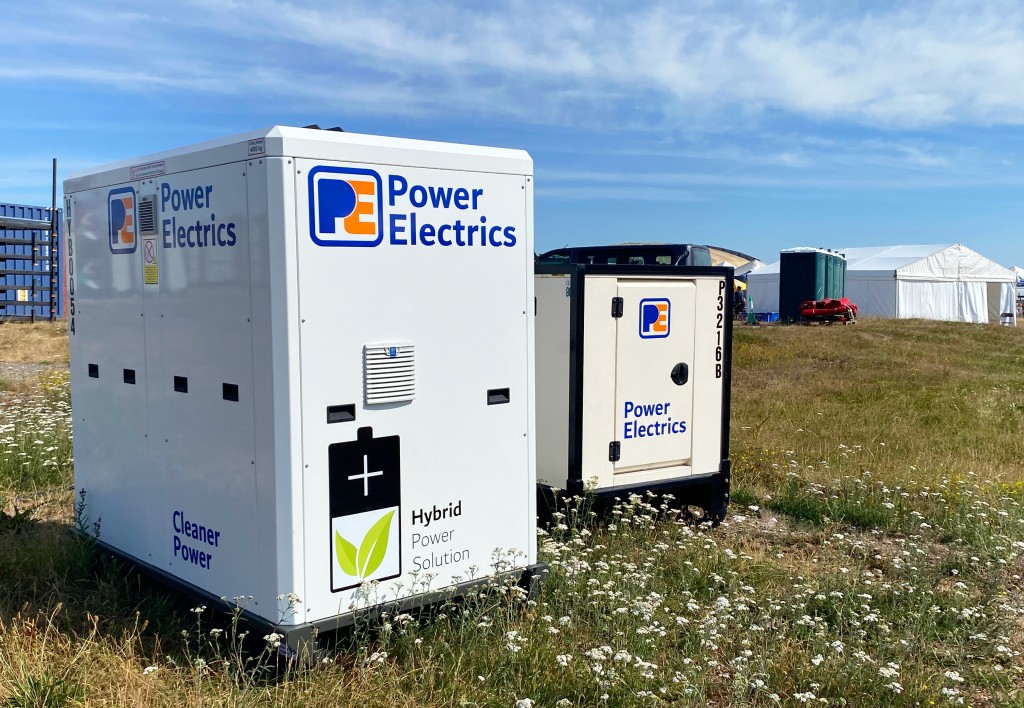
Battery Energy Storage (BES) systems are becoming an increasingly common feature of temporary power projects. Whether supporting construction sites, infrastructure works or temporary facilities awaiting a permanent grid connection, batteries are helping organisations reduce fuel consumption, lower emissions and improve operational efficiency.
However, achieving these benefits is not simply a case of adding a battery to an existing generator setup. The real value of Battery Energy Storage lies in understanding how power is being used and designing a solution around the site’s specific requirements.
When specified correctly, batteries can dramatically reduce generator runtime and fuel consumption. When specified incorrectly, they can deliver far fewer benefits than expected.
Why Energy Usage Matters More Than Energy Demand
One of the most common misconceptions when sizing a battery system is focusing solely on how much energy a site uses over a day. While total energy consumption is important, understanding how that energy is consumed is often even more valuable.
Two sites may use exactly the same amount of electricity over a 24-hour period, but their power requirements could be completely different. One site may operate with a relatively consistent load throughout the day, while another experiences significant demand spikes at certain times.
The battery system required for each scenario could vary considerably.
This is why understanding load profiles is essential. It is not enough to know how much electricity is used; it is necessary to understand when it is being used, how quickly it is being consumed and how often peak demand occurs. As electricity demand continues to rise, the International Energy Agency’s Electricity 2026 report highlights the growing need for more flexible and efficient approaches to managing energy consumption across modern power systems.
The Importance of Real Load Data
The most reliable way to understand a site’s power requirements is through monitoring and measurement.
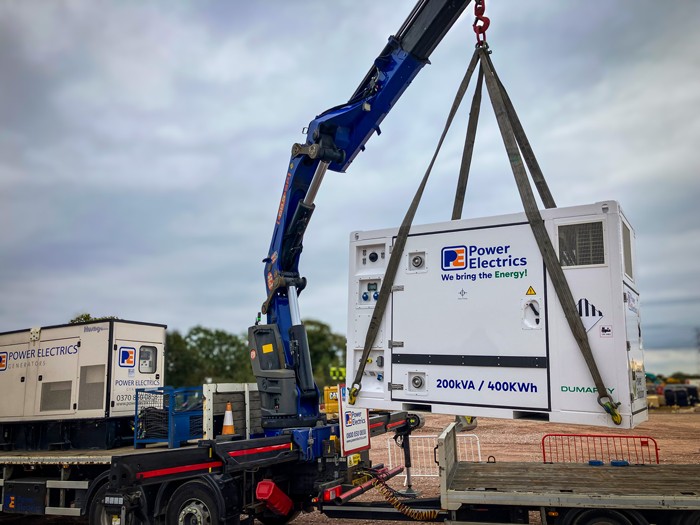
Where possible, energy monitoring equipment can be installed to collect real-world data over a period of time. This allows power engineers to see exactly how the site operates rather than relying on assumptions.
Load data provides valuable insight into daily consumption patterns, peak demand periods and opportunities to optimise generator and battery sizing.
For existing facilities, this information can help create a highly efficient temporary power solution. For new-build projects where no historical data exists, equipment specifications, design information and experience become increasingly important in predicting likely demand. This focus on understanding demand profiles mirrors the wider energy transition, with RenewableUK highlighting the role battery storage plays in balancing fluctuations in electricity supply and demand and helping energy systems operate more efficiently.
Why Bigger Isn’t Always Better
When specifying temporary power equipment, there is often a tendency to plan for the maximum amount of electricity that would be used at once.
Design calculations frequently assume that every piece of equipment will operate simultaneously at maximum demand. While this provides a margin of safety, it can also result in oversized power solutions. In reality, electrical demand rarely behaves this way.
Much like a home where ovens, showers and other appliances are not all used at maximum output simultaneously, most sites experience a natural level of diversity in their power consumption. Understanding this diversity allows temporary power systems to be designed more efficiently without compromising reliability.
The result is often a solution that is smaller, more efficient and more cost-effective than initial estimates suggest.
Reducing Generator Runtime the Right Way
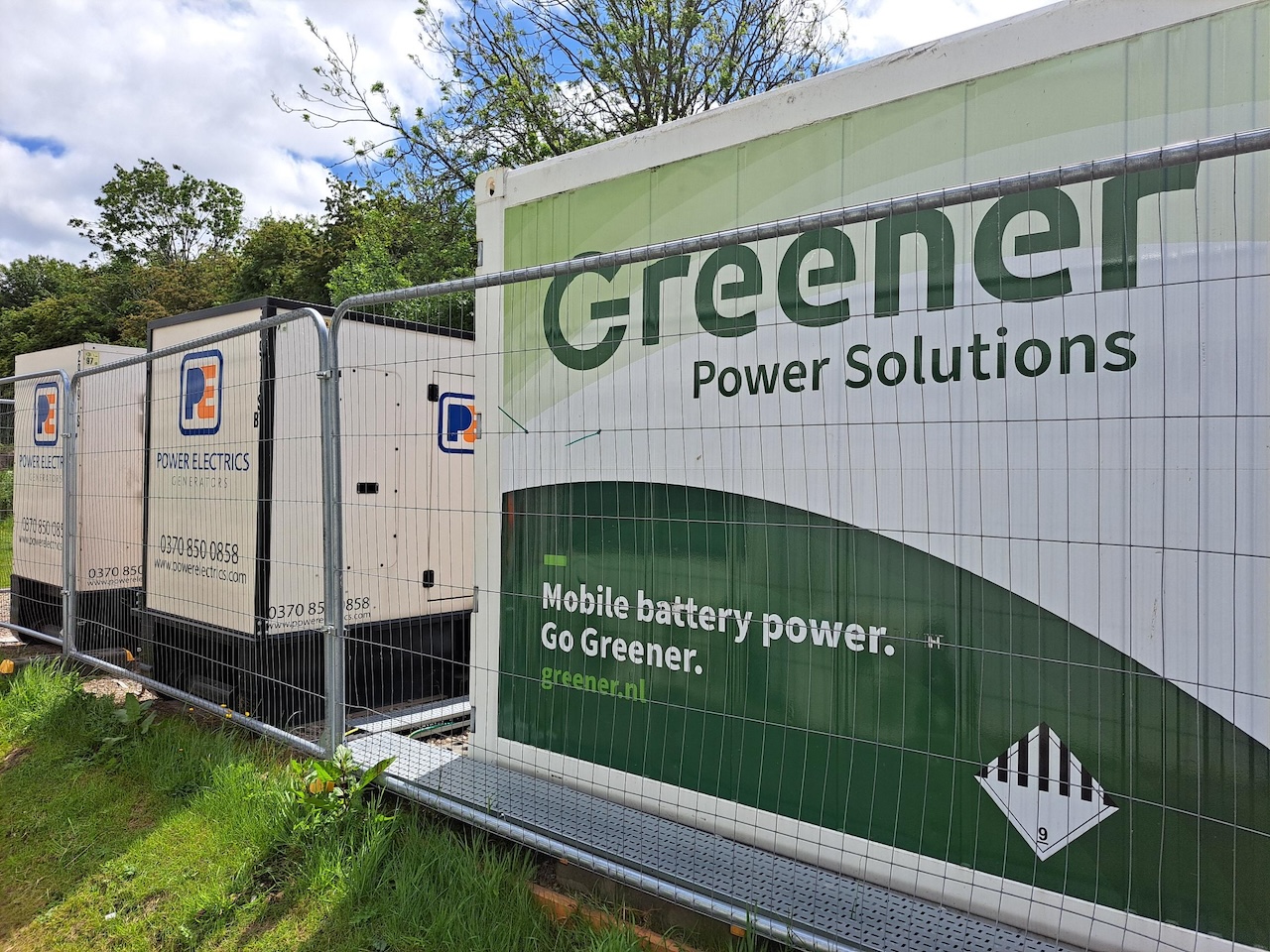
One of the key benefits of Battery Energy Storage is its ability to reduce generator operating hours. By storing energy when a generator is running and supplying power when demand is lower, batteries allow generators to switch off for significant periods of time while maintaining continuous power to the site.
In many applications, this can substantially reduce generator runtime, leading to lower fuel consumption, reduced emissions and fewer maintenance requirements.
However, generator runtime alone does not tell the whole story.
A system that reduces generator operating hours but forces the generator to work significantly harder during charging periods may not deliver the fuel savings expected. The objective is not simply to run the generator less frequently; it is to ensure the entire system operates as efficiently as possible. This is where careful system design becomes critical.
The Relationship Between Batteries and Generator Sizing
It may seem logical to pair a battery with the smallest possible generator. The opposite can sometimes be true.
If a generator is required to support the site load while simultaneously charging a battery, selecting a slightly larger generator can often improve overall efficiency. By operating within a more efficient load range, the generator may consume less fuel than a smaller unit working closer to its limits.
The goal is to balance the charging requirements of the battery with the operational requirements of the site.
Achieving this balance allows batteries to deliver the maximum possible reduction in runtime without creating unnecessary fuel consumption elsewhere within the system.
Peak Shaving and Smarter Power Management
Another significant advantage of Battery Energy Storage is its ability to manage short-term peaks in demand.
Many sites experience brief periods where power requirements increase dramatically before quickly returning to normal operating levels. Traditionally, generators would need to be sized to accommodate these peaks, even if they only occur occasionally.
Battery systems provide an alternative approach. By supplying power during these peak demand periods, batteries can reduce the size of generator required while maintaining operational performance. This process, commonly known as peak shaving, enables more efficient system design and can unlock significant operational savings.
As grid constraints become increasingly common and projects face growing pressure to reduce emissions and fuel consumption, this type of intelligent power management is becoming increasingly valuable as illustrated in our Voltalia case study, where the hybrid set-up resulted in a reduction of fuel consumed by 51% and CO2 savings of 4550.15kg. Similar principles are expected to play an increasingly important role across the wider electricity system – Deloitte’s analysis of the UK’s future energy landscape highlights the need for greater flexibility in how electricity is generated, stored and consumed as the country moves towards a more electrified future.
Smarter Sizing Delivers Better Results
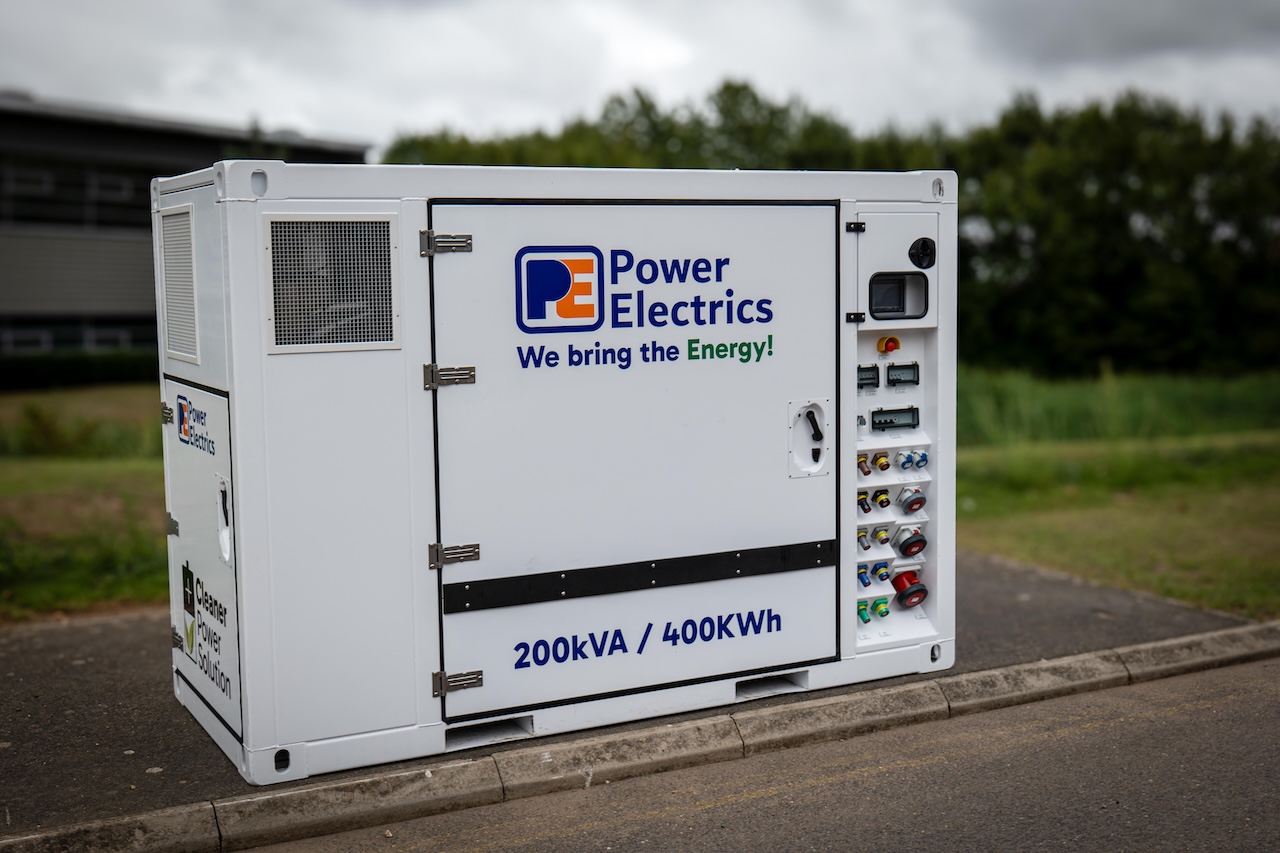
Battery Energy Storage is not simply about adding batteries to a project. The real value comes from understanding how energy is used and designing systems around actual operational requirements.
By analysing load profiles, understanding demand patterns and correctly balancing battery and generator capacity, organisations can unlock meaningful reductions in fuel use, emissions and generator runtime.
The most successful temporary power projects are not necessarily those with the largest batteries or the biggest generators. They are the projects where power systems have been carefully designed to match the way the site operates as seen in our Royal Ascot case study.
As Battery Energy Storage continues to play a greater role across construction, infrastructure and temporary power applications, smarter sizing will remain one of the most important factors in delivering genuine operational and environmental benefits.